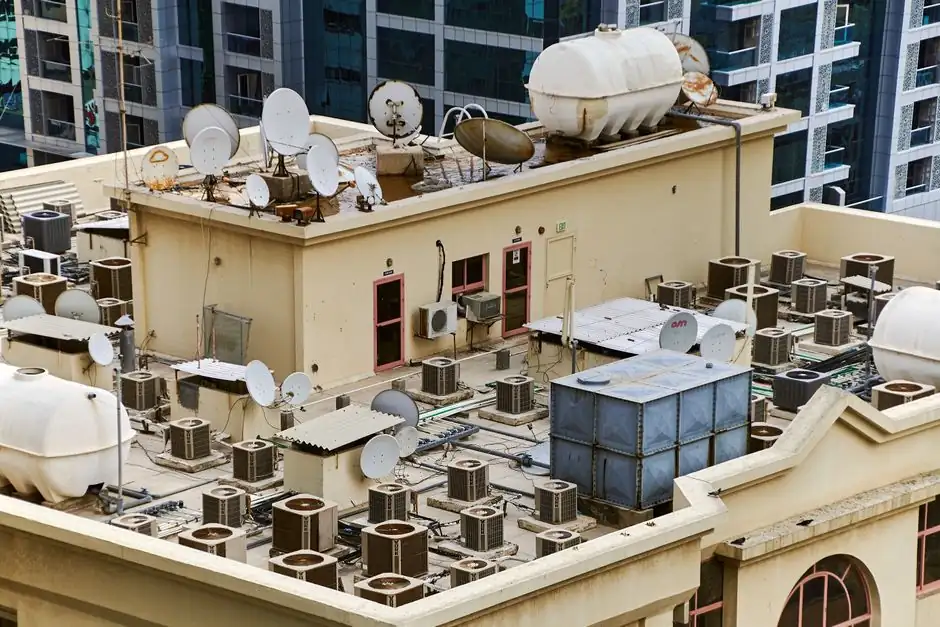
The best HVAC maintenance tips for Bedford residents include regular inspections, filter changes, and seasonal tune-ups. These practices help ensure your HVAC system operates efficiently and lasts longer.
HVAC maintenance tips Bedford TX are essential for keeping your heating and cooling systems in top shape, especially given the fluctuating temperatures in Bedford. This article outlines the most effective HVAC maintenance advice Bedford residents can follow to avoid costly repairs and ensure comfort year-round.
What are the best HVAC maintenance tips for Bedford residents?
Regularly changing your air filters is one of the best HVAC maintenance tips for Bedford residents. Clogged filters restrict airflow, causing your system to work harder and consume more energy. Change your filters every 1-3 months, depending on usage and the type of filter you have.
Another important tip is to schedule seasonal HVAC tune-ups. In Bedford, where summer temperatures can soar, ensuring your air conditioning system is ready for peak usage is vital. A professional tune-up typically costs between $100 and $200 and can save you from unexpected breakdowns.
How can Bedford homeowners care for their HVAC systems?
Bedford homeowners can care for their HVAC systems by performing routine checks on their outdoor units. Ensure that the area around the unit is clear of debris, such as leaves and dirt, which can obstruct airflow. Additionally, keep the evaporator and condenser coils clean to enhance efficiency.
Another effective HVAC maintenance Bedford Texas practice is monitoring your system's performance. Listen for unusual noises and watch for any irregularities in temperature. If your system struggles to maintain the desired temperature, it may indicate a need for professional HVAC Repair in Bedford, Texas.
What should I do for regular HVAC maintenance in Bedford?
Regular HVAC maintenance in Bedford involves several key steps:
- Change air filters every 1-3 months.
- Schedule professional maintenance at least twice a year.
- Clean the outdoor unit and ensure proper drainage.
- Inspect ductwork for leaks and blockages.
Following this HVAC maintenance checklist for Bedford homeowners can significantly improve system efficiency and longevity. Additionally, consider enrolling in a preventative maintenance program, which can provide ongoing support and discounts on repairs.
Common mistakes in HVAC maintenance
One common mistake is neglecting to change air filters regularly. This can lead to reduced efficiency and increased energy costs. Another mistake is ignoring unusual noises or smells coming from the system, which can indicate underlying issues that need attention.
Failing to schedule seasonal tune-ups is another oversight. Many Bedford residents put off these essential inspections until their systems fail. Regular maintenance can catch issues before they escalate, saving you time and money.
When to call a professional
Knowing when to call a professional is crucial for maintaining your HVAC system. If you notice persistent issues like fluctuating temperatures, strange noises, or increased energy bills, it's time to consult a professional. Bedford Commercial HVAC Services offers comprehensive inspections and repairs to keep your system running smoothly.
Frequently Asked Questions
What are the best HVAC maintenance tips for Bedford residents? Regularly change air filters, schedule seasonal tune-ups, and keep outdoor units clear of debris to ensure efficient operation.
How can Bedford homeowners care for their HVAC systems? Homeowners can care for their systems by performing routine checks, monitoring performance, and scheduling professional maintenance.
What should I do for regular HVAC maintenance in Bedford? Follow a checklist that includes changing filters, scheduling tune-ups, and inspecting ductwork for leaks.
How often should I schedule HVAC maintenance? It's advisable to schedule HVAC maintenance at least twice a year, ideally before the heating and cooling seasons.
What are signs my HVAC system needs repair? Signs include unusual noises, fluctuating temperatures, and increased energy bills, indicating potential issues that need professional attention.